

Table of Contents
- What makes long-lasting kitchen roll different
- How long does a kitchen roll last with premium quality
- Why absorbent kitchen roll saves money and reduces waste
- Bamboo kitchen roll benefits versus traditional options
- Kitchen roll versus microfibre cloths: which works best
- Real-world uses for premium kitchen roll in your home
- Choosing long-lasting kitchen roll that actually performs
- Frequently Asked Questions
Last Updated: 11 October 2026
What makes long-lasting kitchen roll different
A long lasting kitchen roll differs fundamentally from standard options in how it's manufactured and what it delivers in daily use. Premium kitchen roll is engineered with higher ply counts, denser weaves, and superior pulp quality that allow each sheet to absorb more liquid and withstand greater stress without tearing. The difference becomes immediately obvious when you compare absorbency: a sheet of quality kitchen roll can handle spills that would require two or three sheets of cheaper alternatives.
At Leaora, we manufacture kitchen roll using 100% virgin pulp parent reels and precision 1400mm semi-automatic rewinding machinery. This approach ensures consistent strength and absorbency across every roll. The manufacturing process matters because it determines whether the paper holds together when wet, whether it actually absorbs rather than just pushes liquid around, and whether you're genuinely saving money or simply buying thinner paper that costs less upfront.
The structural integrity of long-lasting kitchen roll also means fewer sheets per task. A single sheet can handle what might require three sheets of standard kitchen roll, which directly impacts how long a roll lasts in your home.
How long does a kitchen roll last with premium quality
Premium kitchen roll lasts significantly longer than standard options because each sheet performs more work. A typical household using standard kitchen roll might go through one roll every 5-7 days. With long-lasting kitchen roll, that same household often stretches a single roll to 10-14 days, depending on usage patterns and household size.
The durability of the paper itself is the key factor here. Higher-quality kitchen roll maintains its structural integrity even when wet, meaning you're less likely to need multiple sheets for a single task. When you're cleaning up a spill, wiping down surfaces, or handling food preparation, a stronger sheet means fewer sheets required overall.
Several practical variables affect longevity. A family of four will use kitchen roll differently than a single person or couple. Heavy cooking activity generates more spills than minimal kitchen use. The difference between using kitchen roll for cleaning versus using it for drying hands also impacts consumption rates. What remains consistent is that premium kitchen roll simply lasts longer because it performs better per sheet.
Why absorbent kitchen roll saves money and reduces waste
The financial case for absorbent kitchen roll is straightforward: you buy fewer rolls to accomplish the same work. If premium kitchen roll lasts twice as long as budget alternatives, you're purchasing half as many rolls annually. That translates directly to lower spending over a year, even if the per-roll price is higher.
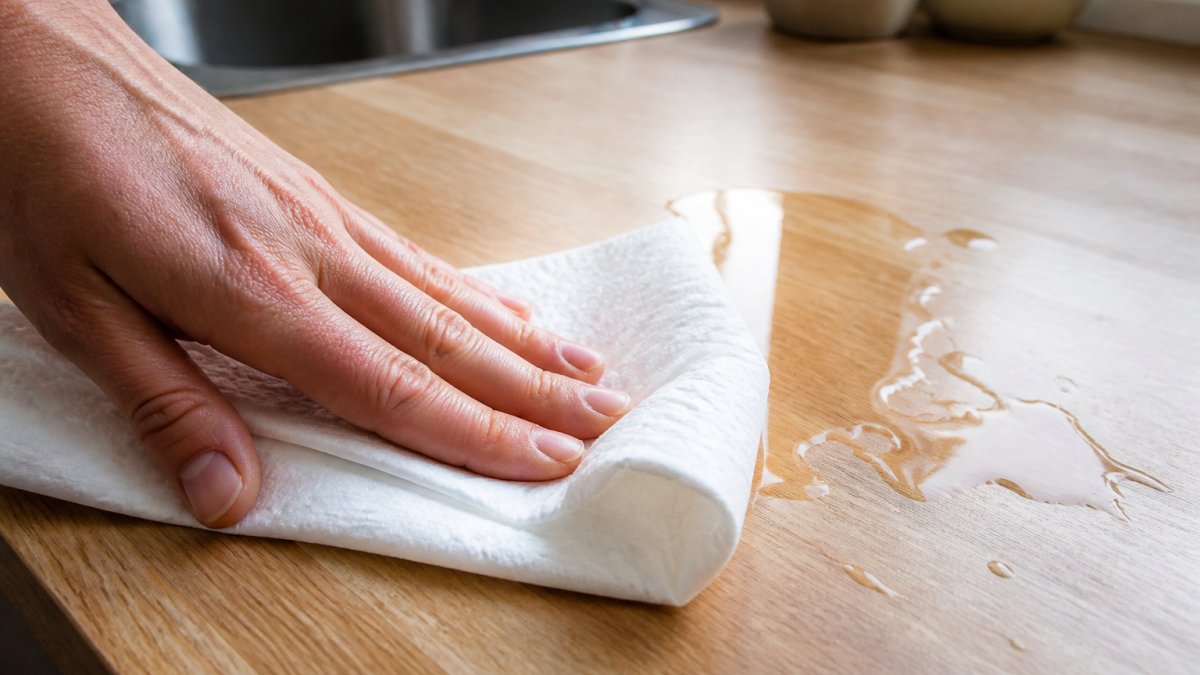
Beyond the direct cost saving, absorbent kitchen roll reduces the amount of paper entering your waste stream. Using fewer sheets means fewer rolls in your bin, which has secondary benefits: less frequent bin changes, reduced landfill contribution, and lower environmental impact. A household switching to long-lasting kitchen roll might reduce its paper product waste simply by needing fewer sheets per task.
The waste reduction extends beyond your home. From a household perspective, buying less frequently means fewer shopping trips, less packaging waste from multiple purchases, and lower overall consumption. Businesses and facilities using kitchen roll in high-volume settings see even more dramatic waste reduction when they switch to premium options.
Bamboo kitchen roll benefits versus traditional options
Bamboo kitchen roll offers distinct advantages over traditional wood-pulp options, though both can deliver long-lasting performance. Bamboo grows rapidly without requiring pesticides or fertilisers, making it a more sustainable raw material source. The fibres in bamboo are naturally strong, which translates to paper that holds together well even under wet conditions.
Traditional wood-pulp kitchen roll, particularly when made from virgin pulp as Leaora's products are, delivers superior absorbency and strength. The manufacturing process for virgin pulp creates a more consistent product with reliable performance across every sheet. This consistency matters in commercial settings where product performance directly affects user satisfaction and operational efficiency.
The practical difference between bamboo and traditional kitchen roll often comes down to personal preference and environmental priorities. Bamboo appeals to households prioritising sustainability. Traditional virgin pulp appeals to users prioritising performance and reliability. Both can be manufactured as long-lasting kitchen roll; the choice depends on whether your priority is environmental impact or absolute performance consistency.
Kitchen roll versus microfibre cloths: which works best
Microfibre cloths and premium kitchen roll serve different purposes, though they're sometimes positioned as alternatives. Microfibre cloths excel at capturing dust and grease without chemicals, making them ideal for cleaning glass, mirrors, and stainless steel. They're reusable, which reduces waste over time, and they dry quickly.
A long lasting kitchen roll outperforms microfibre for liquid spills, food preparation cleanup, and situations where you need immediate absorbency. A sheet of long-lasting kitchen roll handles wet spills that would overwhelm a microfibre cloth. Kitchen roll is also more hygienic for food-contact surfaces because you use it once and discard it, eliminating cross-contamination risk.
The practical answer is that most households benefit from both. Use long-lasting kitchen roll for spills, food prep, and situations requiring disposable absorbent material. Use microfibre cloths for dry cleaning, polishing, and tasks where reusability adds value. They're complementary tools rather than direct competitors.
Real-world uses for premium kitchen roll in your home
Premium kitchen roll handles far more than basic spill cleanup. In food preparation, it's essential for patting dry meat and vegetables, which affects cooking quality. A stronger sheet means you can apply pressure without the paper falling apart, giving you better control and faster results.
For kitchen surface cleaning, long-lasting kitchen roll tackles grease and food residue more effectively than standard options. You use fewer sheets, which means faster cleanup and less waste. In bathroom settings, premium kitchen roll works well for general cleaning and spill management, particularly in households with children where durability matters.
Pet owners find that stronger kitchen roll handles accidents and cleanup more efficiently. One sheet can manage what might require three sheets of standard paper. In commercial kitchen settings or office break rooms, premium kitchen roll reduces consumption and improves user satisfaction because it actually works when people need it.
Households with elderly members or mobility challenges benefit from kitchen roll that doesn't tear when wet, since this reduces frustration and the need for multiple attempts at basic cleaning tasks.
Choosing long-lasting kitchen roll that actually performs
When selecting long-lasting kitchen roll, focus on ply count and material composition. Three-ply virgin pulp paper delivers superior performance compared to single or two-ply alternatives. The density of the weave matters as much as ply count; tightly woven paper holds together better when wet.
Look for consistency in product quality. Reliable manufacturers maintain the same standards across every roll, so you know what to expect. This is particularly important for commercial or bulk purchasing, where variability creates problems for users and facility managers.
Consider your specific use case. Households with significant spill management needs benefit most from premium options. Offices and commercial settings see the greatest return on investment because high-volume usage means the per-sheet savings accumulate quickly. Small households with minimal kitchen roll use may find that standard options are sufficient, though many discover that the convenience of fewer sheets outweighs any price difference.
Leaora's long-lasting kitchen roll is manufactured with 100% virgin pulp and precision machinery that ensures consistent strength and absorbency. Our commitment to UK-based production means reliable supply and superior product quality for both household and commercial users. When you choose kitchen roll that actually performs, you're choosing to spend less time managing spills and more time on what matters.
Frequently Asked Questions
What makes long-lasting kitchen roll more absorbent than standard rolls?
Long-lasting kitchen roll typically uses higher-quality virgin pulp and a denser weave structure, which increases absorbency per sheet. Premium options often feature 3-ply construction, meaning three layers work together to trap and hold moisture more effectively. This means you need fewer sheets per task, making each roll genuinely last longer than thinner alternatives.
How long does a kitchen roll last compared to budget brands?
A premium long-lasting kitchen roll can last significantly longer because each sheet is stronger and more absorbent. Whilst budget rolls might require 3-4 sheets for a single task, quality kitchen roll often needs just 1-2 sheets. Over a month, households typically use less of a premium roll, meaning fewer replacements and better value despite a higher per-roll cost.
Is bamboo kitchen roll better than traditional kitchen roll?
Bamboo kitchen roll offers environmental benefits as bamboo grows faster than trees and requires fewer chemicals to process. However, traditional virgin pulp kitchen roll often performs better for absorbency and strength. The choice depends on your priorities: if environmental impact matters most, bamboo is worth considering; if maximum absorbency and durability are essential, premium virgin pulp typically outperforms.
Should I use kitchen roll or microfibre cloths for cleaning?
Kitchen roll works best for single-use tasks like spills and food prep, whilst microfibre cloths excel at reusable cleaning. Kitchen roll is more hygienic for raw food handling and wet spills, whereas microfibre cloths are cost-effective long-term and better for the environment. Many households use both: premium kitchen roll for food-related tasks and microfibre for general surface cleaning.
Choosing the right kitchen roll means balancing performance, cost, and environmental impact. Premium long-lasting kitchen roll delivers on all three fronts by reducing consumption, lasting longer, and performing reliably when you need it. Leaora manufactures kitchen roll using virgin pulp and precision machinery to ensure superior strength and absorbency for every household and commercial need. Explore our range and discover how better kitchen roll simplifies daily tasks.